Why Most Players Fail Their First European Trial?
For many footballers from Canada, the GCC, Africa, Asia, and North America, receiving a European trial feels like the breakthrough moment they have been waiting for. After years of training and dreaming about professional football, finally stepping into a European club environment can feel like arriving at the highest level.
Not necessarily because they lack talent — but because they underestimate how demanding the environment actually is. The difference between local football environments and professional European football is often much larger than players expect. The speed, intensity, tactical discipline, and professionalism can overwhelm even highly talented athletes.
Understanding why players fail is essential for anyone serious about building a football career in Europe.
Most Players Try Too Hard to Impress
One of the biggest mistakes players make during trials is overplaying. Many footballers arrive believing they must constantly prove themselves through fancy dribbling, long shots, difficult passes, individual actions, iighlight moments.As a result, they stop playing naturally. European coaches usually dislike this immediately. Professional clubs value intelligent, efficient football far more than unnecessary risks.
Coaches want players who understand decision-making, tactical discipline, and team structure. Ironically, many players fail because they try too hard to stand out instead of showing they can fit into a professional system. The best trial performances are often simple, composed, and tactically intelligent.
The Speed of European Football Surprises Players
One of the biggest shocks for first-time trialists is the tempo. European football is played at a much faster speed than many players experience domestically. Players have less time on the ball, faster defensive pressure, quicker transitions, and more demanding tactical expectations.
Tactical Understanding Is Often Poor
In many developing football markets, players focus heavily on technical skills but receive limited tactical education. European clubs quickly expose those weaknesses. Many players fail because they do not fully understand team structure or tactical systems. Even highly skilled players can appear ineffective if they constantly move out of position or fail to understand the collective game model.
Mental Pressure Destroys Performance
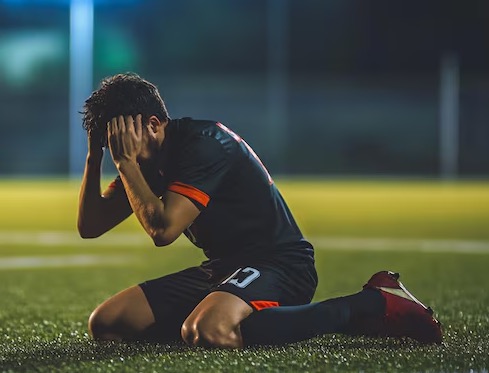
The psychological side of trials is massively underestimated. Players often place enormous pressure on themselves because they believe the opportunity could define their future. As nerves increase, performances decline. European clubs pay close attention to mentality. Coaches want players who remain composed under pressure, recover quickly from mistakes, and maintain confidence in difficult moments.
Many Players Misunderstand What Coaches Want
A major issue is that players often evaluate themselves differently than coaches do. Players may think:
- Goals matter most
- Skills impress scouts
- Aggression equals quality
- Individual dominance guarantees success
Meanwhile, coaches are actually evaluating tactical discipline, decision-making, positioning, communication, coachability, team contribution, work ethic, and adaptability. This misunderstanding causes many players to focus on the wrong things during trials.
Trial Players Often Ignore Defensive Responsibilities
One common mistake among attacking players is ignoring defensive work. Some trialists focus entirely on attacking moments because they believe goals and skills are what attract scouts. However, modern European football requires every player to contribute defensively. Coaches immediately notice:
- Pressing intensity
- Recovery runs
- Defensive positioning
- Work rate off the ball
- Tactical transitions
Players who avoid defensive responsibilities are usually viewed negatively regardless of technical quality.
How Players Can Prepare Better for European Trials
Players aiming for Europe should prepare for far more than technical evaluation. Improving tactical understanding, physical conditioning, mental resilience, and professionalism is essential. Watching European football closely, studying tactical systems, and training under pressure can significantly improve readiness. Players should also understand that coaches evaluate every detail — not only moments on the ball. The goal is not simply to impress. The goal is to prove you can survive and grow inside a professional football environment.
Sports Fellow works with ambitious footballers across Canada, the GCC, and international markets to help players navigate European football pathways through professional consulting, career strategy, player development, and international exposure opportunities.