How Football Trials Are Structured in Europe
For many footballers around the world, especially in the GCC and Canada, the idea of a European football trial can feel mysterious. Players often imagine arriving at a club, playing one impressive match, and immediately earning a contract. In reality, professional football trials in Europe are much more structured and demanding than most players expect.
Understanding the Reality Behind European Football Trials
European clubs do not organize trials simply to discover talent. At professional levels, clubs already assume most invited players have some level of technical quality. The real purpose of a trial is to determine whether a player can function successfully inside a professional football environment over the long term.
Modern trials are designed to evaluate every aspect of a player, including tactical intelligence, physical readiness, mentality, professionalism, adaptability, communication, and long-term potential. Coaches are not only asking whether a player can perform technically. They are asking whether that player can survive and grow inside the demands of European football.

Evaluation Begins Before Training Starts
One of the biggest misconceptions players have is believing the evaluation only begins once they step onto the pitch. In reality, clubs often start assessing players from the moment they arrive at the training facility. Staff members pay attention to punctuality, communication, body language, confidence, professionalism, and interactions with coaches and teammates. Small details matter because clubs want players who can integrate naturally into professional environments without creating problems.
Physical Assessment Is Often the First Step
At many clubs, especially professional or semi-professional environments, players go through physical assessments during the early stages of the trial. These evaluations may include sprint testing, endurance work, mobility checks, medical screenings, and strength assessments. European football has become extremely athletic, and clubs place enormous importance on physical readiness.
Even technically gifted players struggle if they cannot handle the speed and intensity of the environment. Coaches need to know whether a player’s body can cope with demanding schedules, aggressive transitions, repeated sprinting, and high-intensity training sessions.
Training Sessions Are the Most Important Part of the Trial
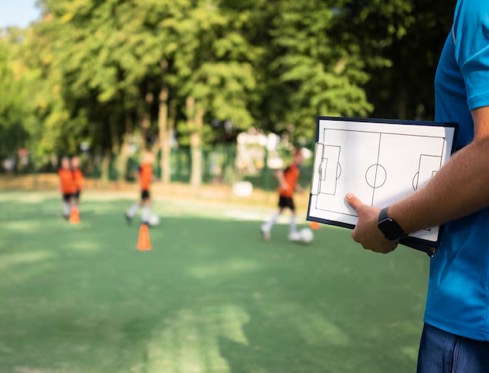
Most European football trials are built around multiple training sessions rather than simply matches. Training environments allow coaches to study players more closely under controlled tactical conditions. During training, clubs evaluate positioning, decision-making speed, movement off the ball, communication, tactical understanding, technical consistency, work ethic, and adaptability. Coaches intentionally create situations that reveal how players react under pressure and how quickly they absorb instructions.

Small-Sided Games Reveal Tactical Intelligence
One of the most valuable tools coaches use during trials is small-sided football. These exercises allow clubs to evaluate how players think and react in tight spaces under continuous pressure. Modern European football prioritizes intelligence and efficiency. Coaches want players who process situations quickly and contribute effectively within the structure of the team. Many talented players struggle in these environments because they are used to having more time and space on the ball.
Trial Matches Are Used to Confirm Evaluations
Most clubs also organize internal games, friendly matches, reserve matches, or academy fixtures during the trial process. These matches allow coaches to evaluate players in realistic competitive situations. During games, coaches assess consistency, concentration, physical endurance, decision-making, mentality, defensive contribution, and overall tactical discipline. Contrary to what many players believe, coaches rarely focus only on goals, assists, or flashy moments.
Common Mistakes Players Make
Many talented players fail European trials because they misunderstand what coaches are truly evaluating. Some players try too hard to impress through unnecessary dribbling or risky actions. Others ignore tactical instructions, neglect defensive responsibilities, or become frustrated after mistakes. Negative body language, selfish play, poor physical intensity, nervousness, and emotional inconsistency can quickly damage a player’s chances. Modern football is incredibly detail-oriented, and small mistakes can significantly affect evaluations. Most successful trialists focus on simplicity, discipline, and consistency rather than trying to force attention onto themselves.
Sports Fellow works with ambitious footballers across Canada, the GCC, and international football markets to help players navigate professional pathways through career consulting, international exposure, football development, and strategic guidance designed for the modern football industry.